Culture
How Fandoms Become Cultures of Their Own
Language, rituals, money: fan communities now do the work that subcultures once did, and they do it faster.
Culture tracks the sources feeding trends: films, records, games, sport, politics and the online communities where an aesthetic forms before anybody sells it. Pieces identify a signal early and estimate its travel time to retail. Useful to readers who need to see something coming rather than confirm its arrival.
Language, rituals, money: fan communities now do the work that subcultures once did, and they do it faster.
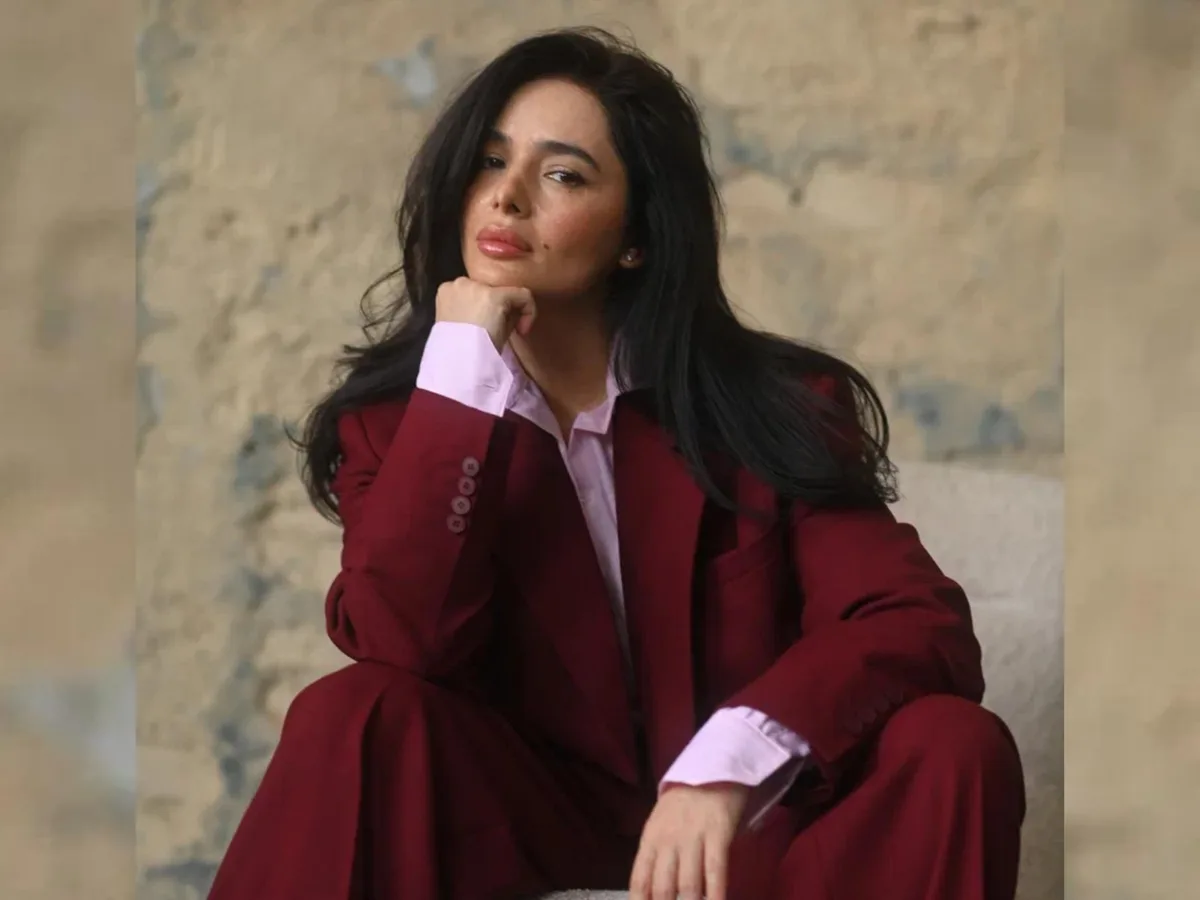
In just a few years, Ilona Bizikova has progressed from developing her own fashion business to presenting collections abroad, appearing on the red carpet at the Cannes Film Festival, and receiving professional recognition in Paris.

The strangeness is not in the place. It is in the rules you did not know you were following.
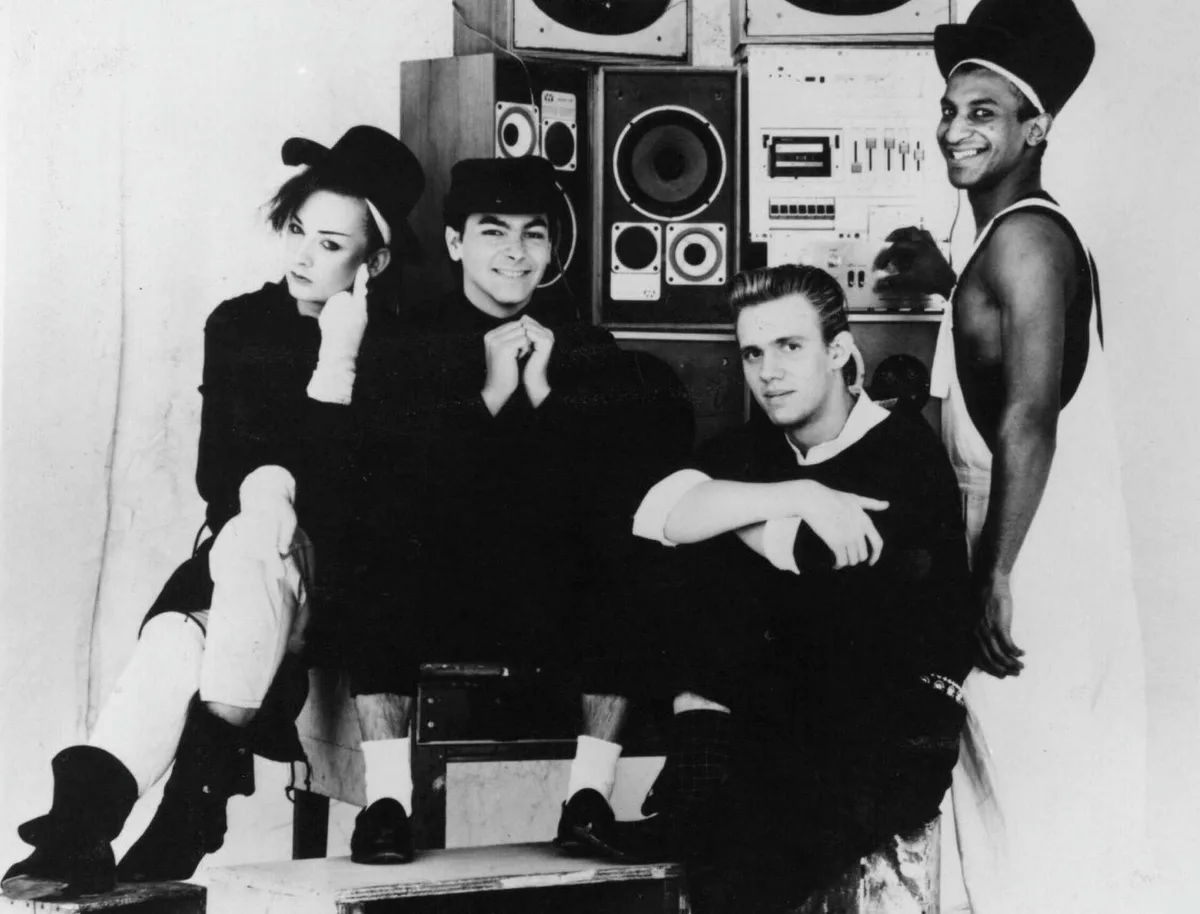
Forty years on, the band's mix of braids, broad hats and borrowed glamour remains a template for how pop uses clothing to argue with convention.
The word carries three centuries of academic baggage and a very new set of online habits. Both are worth understanding.
From punk's safety pins to K-pop's color-coordinated fandoms, sound moves first and style follows. The pattern is old, and it still works.