
Forecasting
How Trend Forecasting Actually Works, From Runway Counts to Retail Data
Forecasting agencies sell synthesis — runway tallies, retail data, and cultural signals combined into reports bought two years ahead of the selling season.
Forecasting explains the discipline itself: where practitioners source data, how far ahead a call can hold, what a color council decides, and how confidence ought to be stated. Old forecasts are revisited and scored here, wrong ones included. For people who forecast professionally or buy the output.
How trend forecasting is actually done: data sources, lead times, panel work, confidence levels, and the difference between a microtrend and a shift.
Forecasting agencies sell synthesis — runway tallies, retail data, and cultural signals combined into reports bought two years ahead of the selling season.
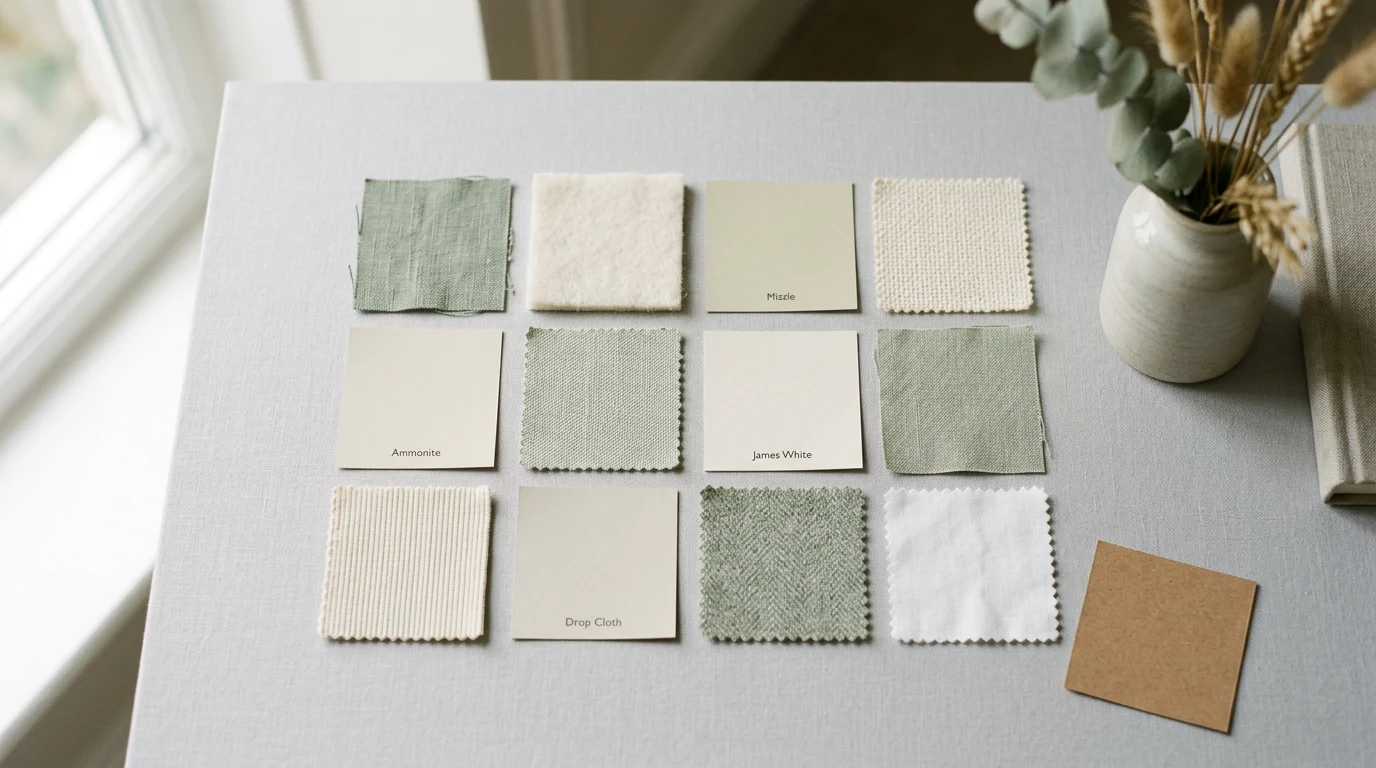
A committee inside the Pantone Color Institute spends roughly nine months reading signals before it names one hue for the coming year — and the industry calendar bends around the result.

WGSN and Coloro have named Luminous Blue their Colour of the Year for 2027, leading an S/S 27 palette built around a single stated idea: interconnectedness.
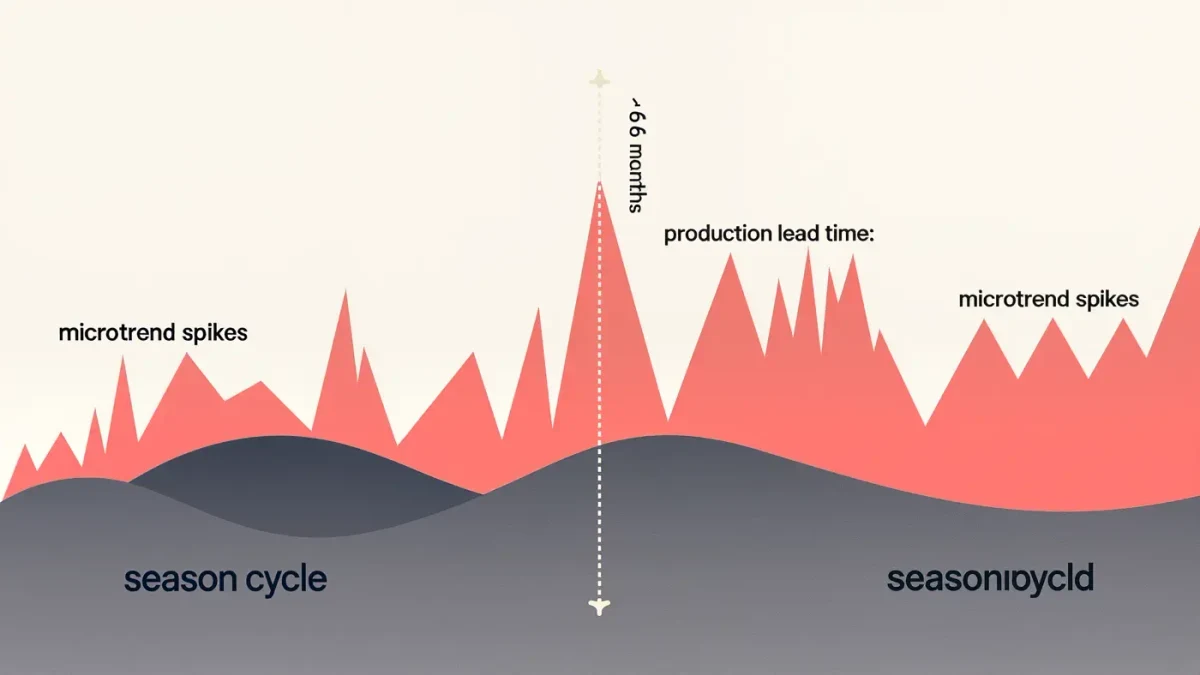
Aesthetic waves now rise and die in weeks — and the industry is splitting into two clocks: platform-speed detection and two-season production bets.
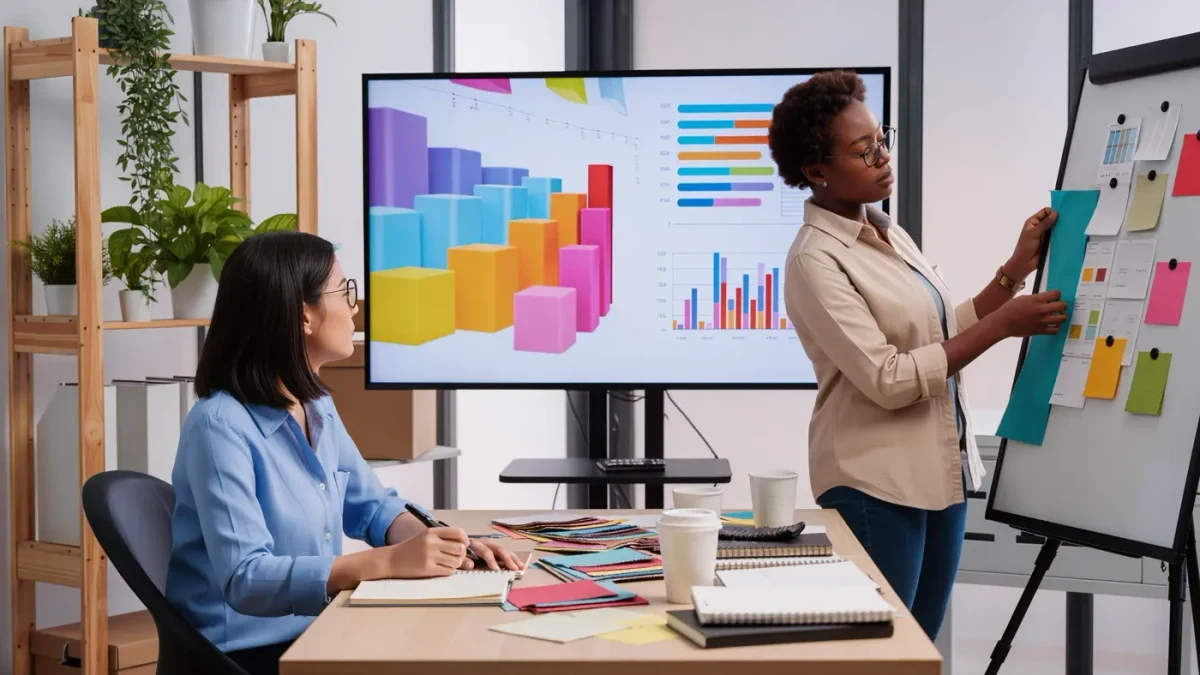
Machines have taken pattern detection at scale; interpretation, meaning and accountable judgment remain human — for now, and for structural reasons.

From macro research to InterColor diplomacy to lab dips on card: the twenty-four-month chain that decides what colors a season will sell.

A missed call becomes inventory, markdowns and a calibration exercise — and the industry's habit of hedging is precisely what keeps misses survivable.
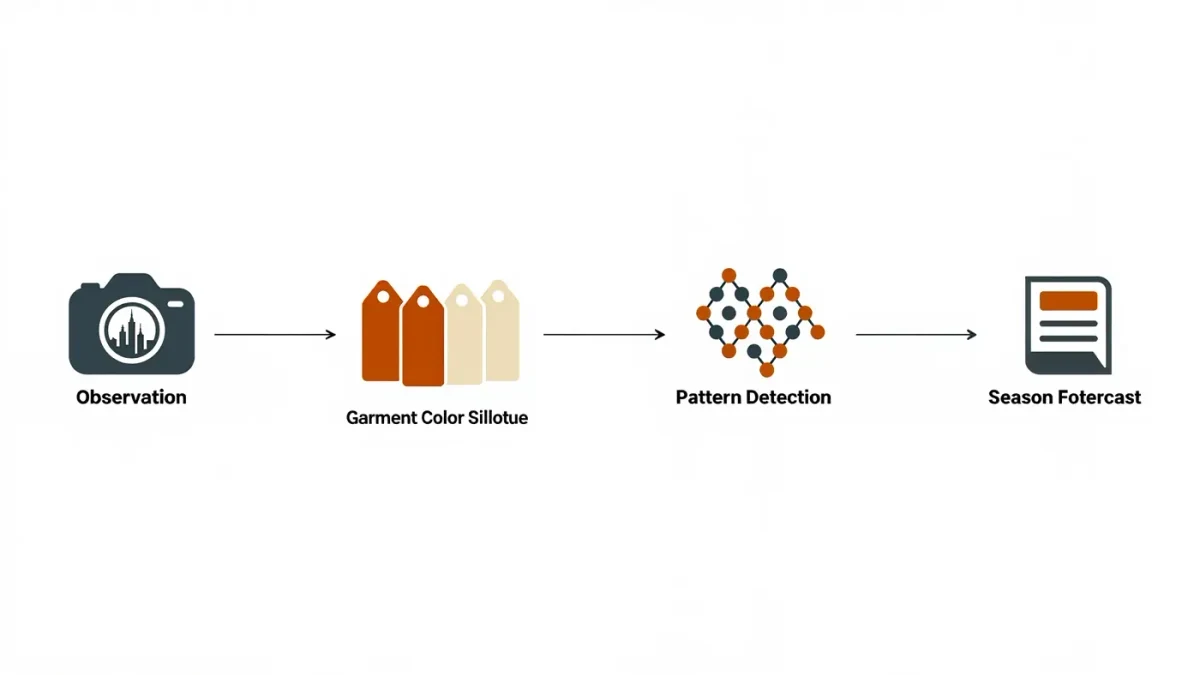
Street observation is the only live dataset of real adoption — and agencies fuse cameras, scouts and digital traces to read taste while it is still forming.

Brands can seed, stage and amplify — but engineered trends only take when a deliberate campaign meets a signal the culture was already producing.
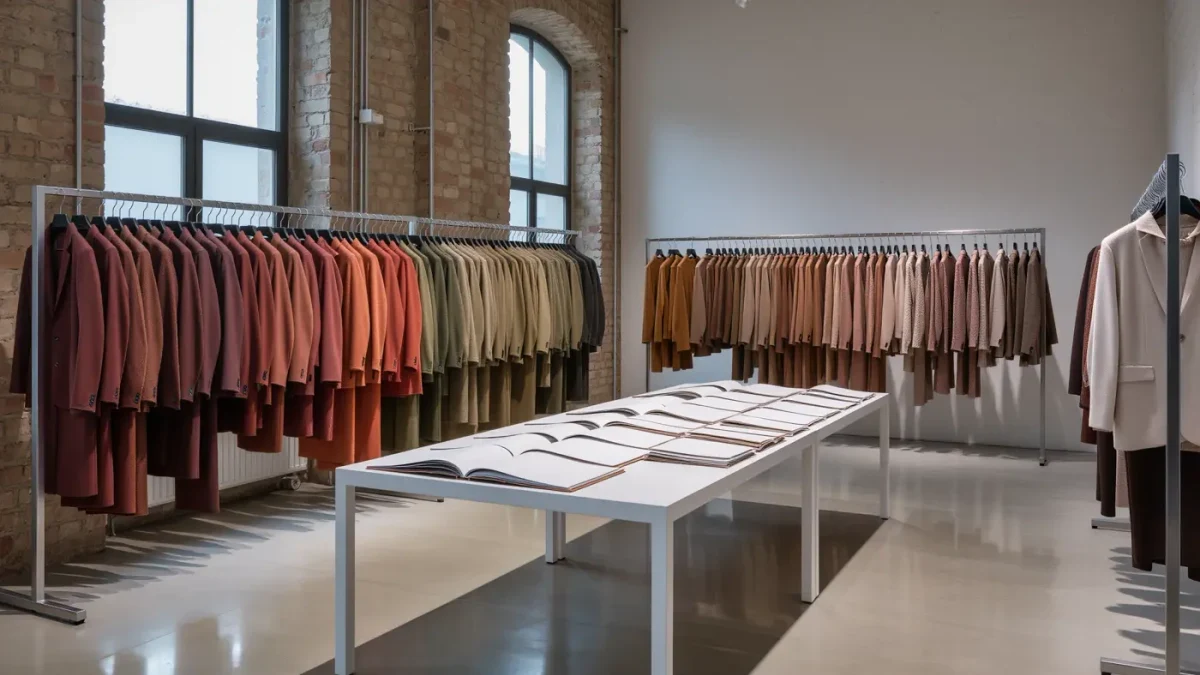
Months before a garment reaches the floor, buying teams translate agency forecasts into budgets, palettes and order sheets — then grade the calls at season's end.